
Finding Nature Exploration Groups in Your Area
Connect with local hiking clubs, community naturalists, and family-friendly outdoor groups that explore parks, trails, and natural spaces together.
Why Join a Nature Exploration Group?
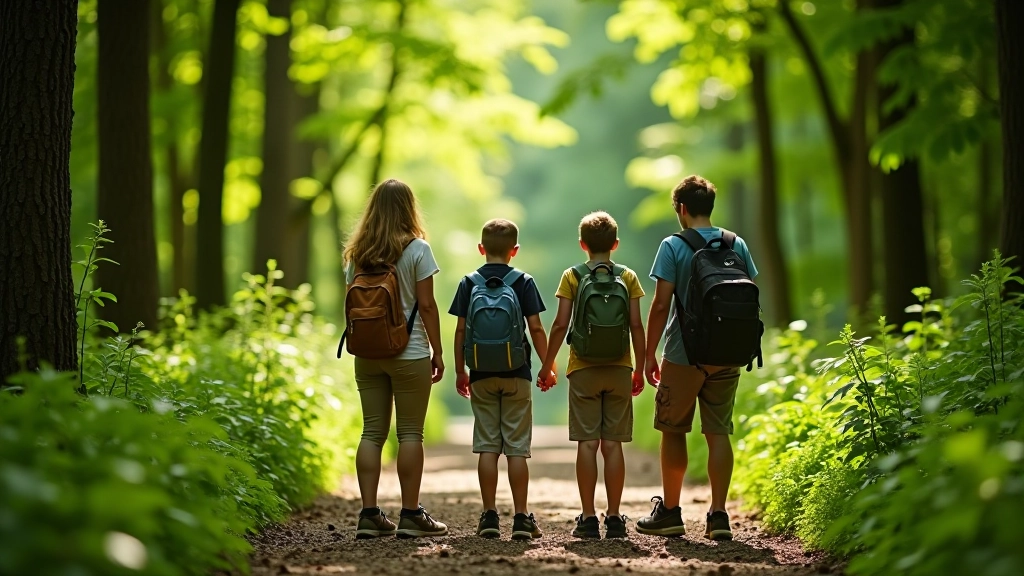
Getting outdoors as a family is amazing. But finding the right group to explore with? That's where things get interesting. You're not just hiking — you're connecting with people who share your passion for discovering what's actually out there.
Nature exploration groups range from casual weekend walkers to serious naturalists tracking birds and plants. Some focus on kids' education. Others emphasize fitness. The beauty is there's something for everyone. Whether you want to learn which trees grow in your region or just get outside for a few hours, these groups make it happen. Plus, you'll meet families doing the same thing, which means your kids get friends who actually enjoy being outside.

Where to Actually Find These Groups
The tricky part isn't that groups don't exist — they do. The trick is knowing where to look. Most groups aren't advertising on TV. They're just meeting every weekend and sharing their passion.
Start local. Your county parks department almost always has a website with guided hikes listed. State park websites do the same. Then check Meetup.com — most areas have active hiking and outdoor groups there. Don't skip Facebook groups either. Search "[your city] hiking" or "[your county] nature group" and you'll find community groups with active members. REI stores host outdoor events too, including beginner-friendly hikes.
For more specialized groups, search for Audubon chapters (bird watching), native plant societies, or geological societies specific to your region. University extension programs sometimes run naturalist courses. Local nature centers almost always have staff who know which groups are active.

Evaluating a Group Before You Join
Not every group will be right for your family. Here's what to check.
Pace & Difficulty Match
Most groups rate their hikes. Easy usually means 2-3 miles on flat terrain. Moderate is 3-5 miles with elevation. Advanced goes beyond that. Be honest about your family's fitness level. It's better to start easy and progress than to struggle through a hike everyone dreads.
Group Size & Community Feel
Small groups (8-15 people) feel more connected. Large groups (30+ people) can feel crowded. Check if the group does social activities beyond hiking — potlucks, meetings, events. These signal whether they're building community or just exercising.
Leadership & Structure
Who leads the hikes? Volunteers or trained guides? Do they have clear start/end times? Emergency procedures? Good groups are organized. Leaders know the trails. They communicate clearly about what to bring and where to meet.
Cost & Accessibility
Many groups are free. Some charge small fees for parking or to maintain trails. Check if they're inclusive of different abilities. Do they have kids' programs? Are dogs welcome? These details matter for your family's participation.
Making Your First Outing Count
Showing up to your first group hike can feel awkward. You don't know anyone. You're not sure what to expect. But here's the reality — everyone else was nervous their first time too. These groups exist because people love sharing nature. They want you there.
Arrive early. Chat with the leader. Ask about the route and pace. Bring water and snacks — more than you think you'll need. Wear layers. Weather changes fast outdoors. Don't worry about having fancy gear. Most people wear regular clothes. Start with one hike and see how you feel. If the group vibe doesn't match what you're looking for, try another. There's no commitment. You're exploring both the trails and the community.

Why Joining Actually Changes Things
It's not just about getting outside more — though that's part of it.
"We weren't really outdoors people before. Then my daughter joined a junior naturalist program through our local park and everything shifted. Now we're exploring every weekend, and she's genuinely excited about it. We've made actual friends with other families doing the same thing."
— Rachel, parent of two
Joining a group gives you momentum. It's easy to say "we'll go hiking sometime." It's different when you've committed to meeting people at 8am Saturday. Suddenly it happens. Your kids see nature not as something you do when it's convenient, but as part of how you actually spend time together.
You'll learn actual skills. Experienced members teach you to identify plants, read trail maps, spot wildlife. Your kids absorb this without it feeling like school. They're learning because someone they met showed them something cool.


Disclaimer
This article is informational and designed to help families learn about nature exploration groups in their area. Outdoor activities carry inherent risks. Always check group safety records, follow leader instructions, wear appropriate gear, and know your family's physical abilities. Before joining any group, verify their experience, leadership credentials, and liability practices. Weather conditions can change rapidly — always check forecasts and be prepared. If anyone has health concerns, consult with a healthcare provider before starting new outdoor activities.