
Best Beginner Hiking Trails for Families
Easy routes across different regions that kids actually enjoy. Most are under 5 miles with flat terrain and scenic stops along the way.
Why Start With These Trails?
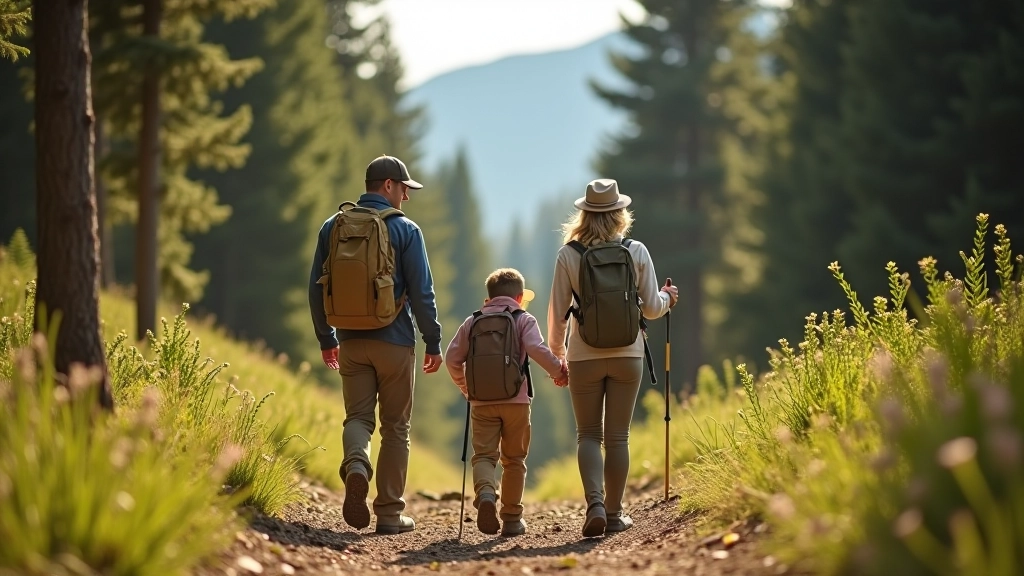
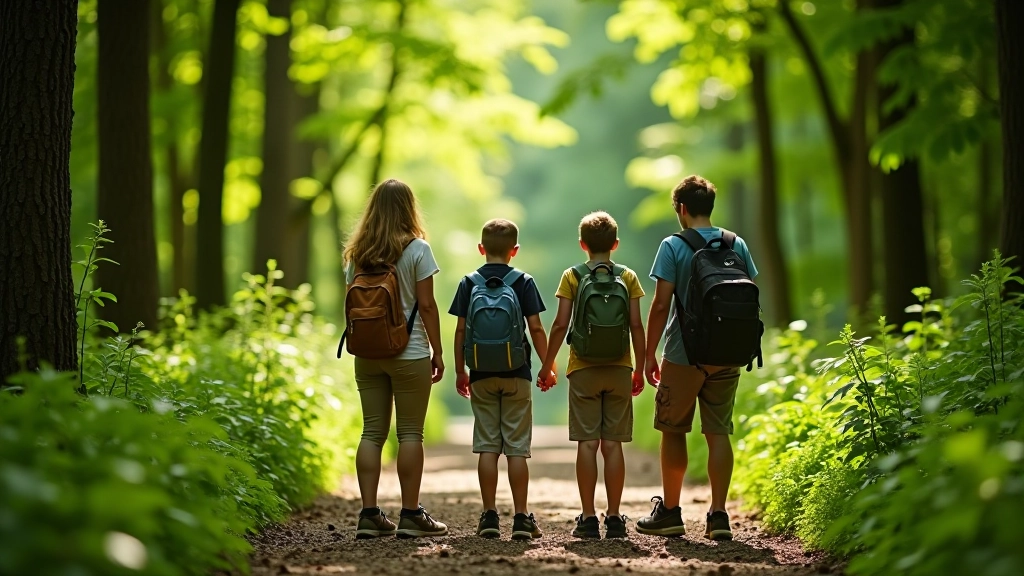
Getting kids outdoors doesn't need to be complicated. The trails we've picked here aren't about pushing yourself to the limit — they're about creating good memories and building confidence. You'll find mostly flat, well-maintained paths where everyone can actually enjoy the walk instead of struggling.
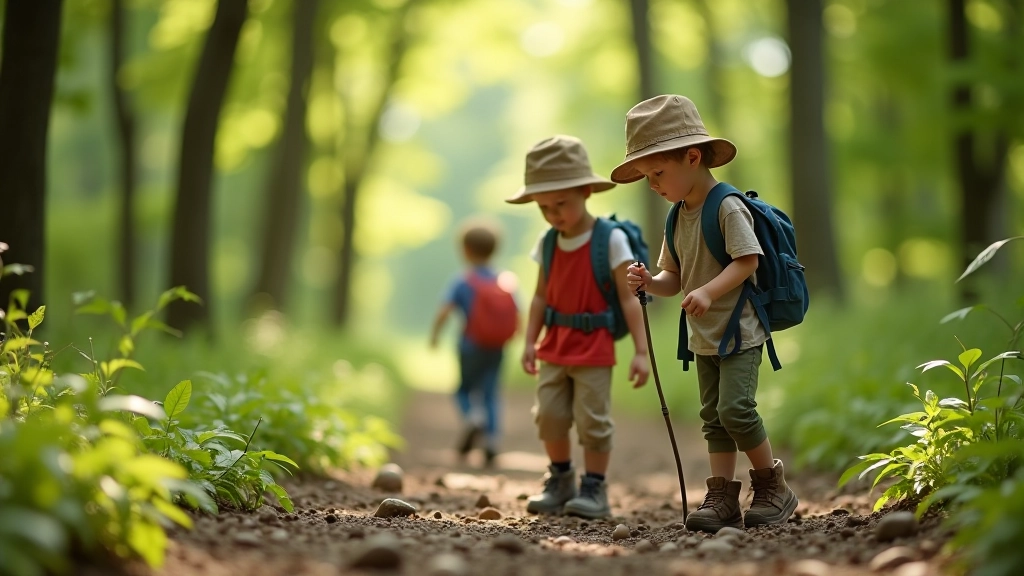
What makes these special is the variety. Some have stream crossings where kids stop to explore. Others pass through wildflower meadows in spring. A few end at viewpoints that make the effort feel worthwhile. We're talking trails where a 6-year-old and a 12-year-old both have a good time — that's the sweet spot.
Five Trails That Really Work
Each one tested with actual families. Here's what you'll find.
Mountain Meadow Loop
ColoradoDistance: 3.2 miles
Elevation gain: 400 feet
Wildflowers everywhere in summer. The path's wide enough that kids can walk side-by-side. There's a small creek halfway through where everyone stops to look for minnows. Rest benches at the meadow viewpoint.
Riverside Ridge Trail
Pacific NorthwestDistance: 4.5 miles
Elevation gain: 600 feet
Follows a river for most of the route. You're never far from shade, which is great on warm days. The trail is mostly smooth packed earth. Best in late spring when water's flowing and the forest smells incredible.
Desert Overlook Path
SouthwestDistance: 2.8 miles
Elevation gain: 350 feet
Short and sweet with massive views at the end. Kids get excited when they realize they can see for miles. Early morning is perfect — temperatures are reasonable and light's perfect for photos. Bring water.
Getting Ready Actually Matters
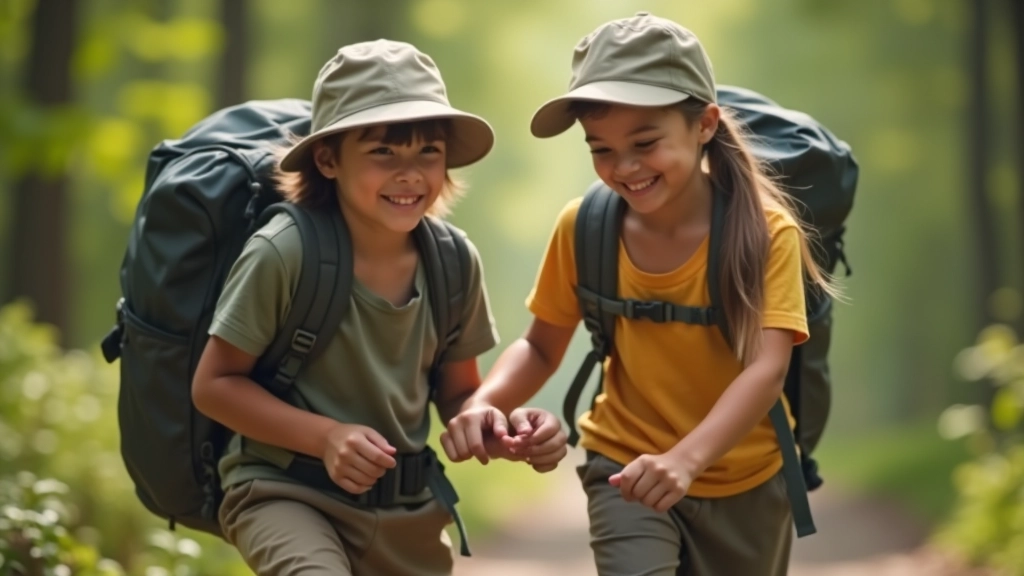
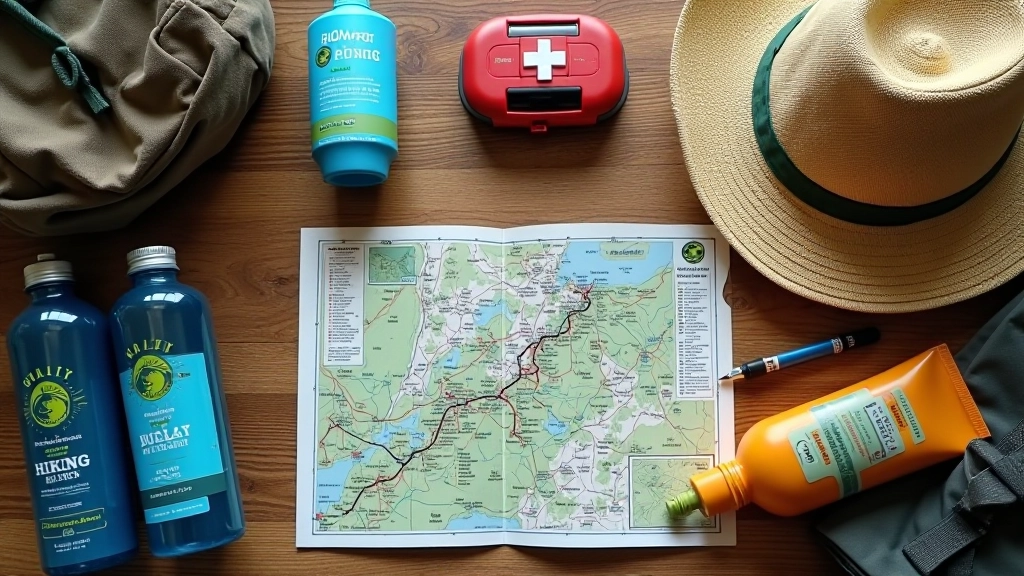
Here's what we've learned: preparation determines whether you're hiking or just complaining while walking. It doesn't need to be fancy. You need proper footwear — that's non-negotiable. Kids' shoes should be broken in already. Nothing ruins a hike faster than blisters on mile two.
Water's the second critical thing. We're talking one liter per person minimum, even on short trails. Pack snacks that actually taste good to kids — not energy bars nobody wants. Fruit, crackers, peanut butter. And sunscreen. Yes, even if it's cloudy. The UV reflection off certain surfaces will surprise you.
Timing matters too. Start early. You'll avoid heat, crowds, and the afternoon meltdown that happens around mile 1.5. Most of these trails take 2-3 hours with breaks included. Plan for rest stops — they're not wasting time, they're part of the experience.
Seven Things That Make It Work
Small changes that completely change the experience.
Let Them Set the Pace
Kids move slower. That's fine. You're not racing. When they stop to examine bugs or pick flowers, that's the whole point. The goal is getting outside together, not hitting a certain pace.
Make It a Game
Bring a small notebook and sketch wildflowers. Count animal tracks. Hunt for specific colored rocks. Turns out hiking's more fun when you're searching for something specific instead of just walking.
Bring a Playlist
Not earbuds — speaker. Some trails are great for walking to music. It keeps energy up and makes the experience feel special. Quieter volumes only, and stay aware of your surroundings.
Plan a Reward
Ice cream after isn't bribing — it's celebrating. Kids who finish their first trail remember that feeling. Make it part of the tradition. You'll notice they'll want to come back.
Check Weather Properly
Don't just glance at the forecast. Check wind conditions, chance of afternoon storms, and temperature swings. Mountain weather changes fast. Being prepared for rain or cold makes everything more enjoyable.
Bring a Camera
Let kids take photos. They'll notice things you miss. They'll have visual memories of the hike. Plus, it gives everyone a break when they're asking to stop anyway.
Know When to Turn Back
If someone's genuinely struggling or unhappy, turning back isn't failure. Kids are more likely to try again if the experience ends on a positive note rather than exhaustion.
What You Actually Need to Bring
Forget fancy gear. These trails don't require special equipment. What matters is the basics done well.
Real Families, Real Experiences
"Wasn't sure my 7-year-old would make it three miles. Turns out when you don't rush and let him explore, he's fine. We've done the meadow trail twice now and he asks about it during the week. That's the real test."
"My kids are usually glued to screens. Getting them outside was harder than the actual hiking. But the desert trail was so short they didn't have time to complain, and the views were impressive enough that they actually got excited. Now we're planning another trip."
"Started with the river trail because I thought it'd be easiest. It was — no elevation gain meant everyone stayed happy. We found frogs and everything. Best part? My 9-year-old didn't ask once if we were done yet. That's winning."
The Real Takeaway
These trails work because they're realistic. They don't require serious fitness levels, special equipment, or hours of commitment. They're long enough to feel like an accomplishment but short enough that nobody's miserable. You'll see wildflowers, hear streams, and get outside as a family — which is exactly the point.
Start with one trail this spring. Check the weather, pack the basics, and go early. Don't expect perfection. Someone will complain, shoes might get muddy, you'll probably forget something. That's hiking with kids. But you'll also get moments where everyone's just walking together, looking at the same trees and breathing the same fresh air. That's worth more than you'd think.
Ready to Explore?
Check local trail conditions and weather before you go. Most state park websites have updated trail information and current alerts.

Important Information
The trail information provided here is educational and current as of March 2026. Trail conditions, closures, and difficulty ratings can change due to weather, maintenance, or natural events. Always check official park websites or local ranger stations for current conditions before planning your hike. Weather in mountain and outdoor areas changes rapidly — bring appropriate clothing and supplies. Parents should assess their family's fitness level and comfort before choosing a trail. If anyone experiences pain, discomfort, or distress during hiking, stop immediately and seek appropriate help. This information is meant to help you plan family outings, not as professional outdoor recreation guidance.